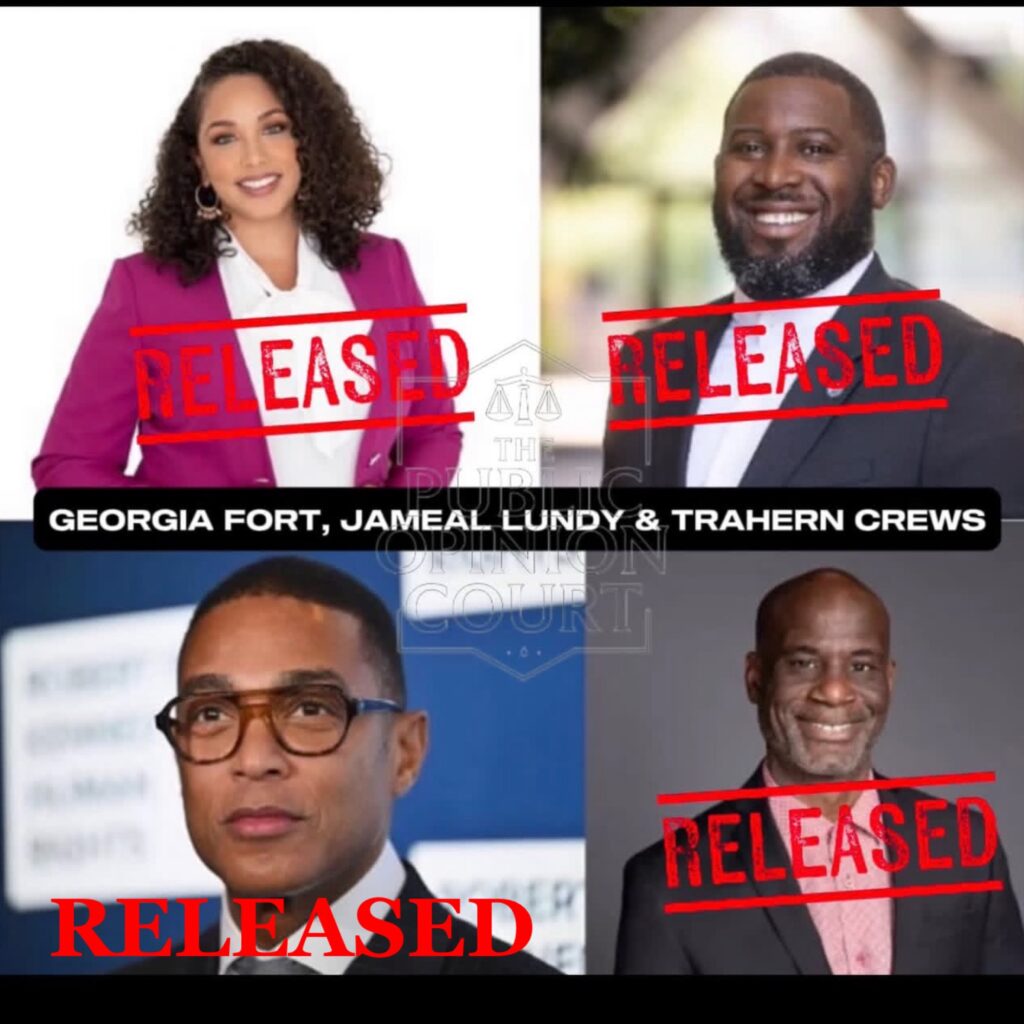
Arrested and released. Does the United States of America have a Constitution?
When the Constitution Is Discounted: The Dangerous Cost of Unlawful Arrests
The United States Constitution is not a suggestion. It is the foundation of the nation’s legal and moral framework—a binding promise between the government and the people it serves. Yet, when constitutional protections are ignored or minimized, especially through unlawful arrests, the consequences ripple far beyond the individual affected. They strike at the heart of democracy itself.
The Constitution as a Shield, Not a Convenience
The Constitution exists to limit government power, not to empower it without restraint. Amendments such as the Fourth, Fifth, Sixth, and Fourteenth guarantee due process, protection from unreasonable searches and seizures, and the right to fair treatment under the law. These safeguards were written precisely because history showed what happens when governments act without accountability.
Discounting the Constitution—whether by bypassing warrants, ignoring due process, or detaining individuals without lawful cause—turns these protections into empty words. When constitutional rights become optional, justice becomes selective.
Unlawful Arrests and the Erosion of Trust
An unlawful arrest does more than deprive someone of their freedom; it damages public trust. Communities begin to see law enforcement and government institutions not as protectors, but as threats. This erosion of trust makes cooperation harder, justice slower, and society more divided.
When citizens fear that they can be detained without cause, they may hesitate to exercise their rights—free speech, peaceful protest, or even simply questioning authority. A society that fears its government is not a free society.
Normalizing Abuse of Power
One of the most dangerous aspects of unlawful arrests is how quickly they can become normalized. When misconduct goes unchallenged, it sets a precedent. What starts as an “exception” can become routine. History shows that rights are rarely stripped away all at once; they are eroded gradually, often under the guise of safety, efficiency, or emergency.
The Constitution is designed to withstand fear-driven decision-making. Ignoring it during moments of tension or crisis is not strength—it is failure.
Accountability Is Not Anti-Law Enforcement
Holding government actors accountable for unconstitutional behavior is not an attack on law enforcement or public safety. On the contrary, accountability strengthens legitimate authority. Officers and officials who uphold the Constitution deserve public trust, and those who violate it undermine everyone who serves honorably.
A system that tolerates unlawful arrests ultimately harms both citizens and ethical public servants.
Defending Constitutional Rights Is a Civic Duty
The Constitution only works if it is defended—not just in courtrooms, but in public discourse and civic engagement. Citizens, journalists, lawyers, and lawmakers all play a role in calling out unconstitutional practices and demanding transparency.
Silence in the face of unlawful arrests sends a dangerous message: that rights are negotiable. They are not.
Conclusion
Discounting the U.S. Constitution and arresting citizens unlawfully is not a minor legal issue—it is a democratic crisis. Freedom does not disappear overnight; it fades when safeguards are ignored and abuses go unchallenged. Upholding the Constitution is not about politics or power—it is about preserving dignity, liberty, and justice for all.
A government that respects the Constitution earns legitimacy. One that disregards it risks losing the very authority it claims to protect.