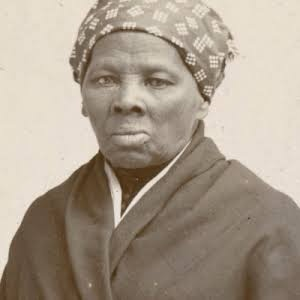
Harriet Tubman: A Legacy of Courage, Freedom, and Unbreakable Faith
Every February, Black History Month invites us to honor the individuals whose lives and sacrifices shaped history and paved the way for justice, equality, and opportunity. Among the most powerful and inspiring figures in American history is Harriet Tubman — a woman whose courage, faith, and determination changed countless lives and left a lasting mark on the world.
Born into slavery around 1822 in Dorchester County, Maryland, Harriet Tubman was originally named Araminta Ross. From a young age, she endured unimaginable hardship, including physical abuse and grueling labor. A severe head injury caused by an overseer left her with lifelong pain, seizures, and vivid visions, which she believed were messages from God guiding her purpose. Rather than weakening her, these challenges strengthened her resolve and fueled her unwavering faith.
In 1849, Harriet Tubman escaped slavery, making the dangerous journey north to freedom. But unlike many who gained their liberty, she refused to remain safe while others suffered. Risking her life repeatedly, she returned to the South at least 13 times to guide enslaved people to freedom through the Underground Railroad — a secret network of safe houses and trusted allies. Tubman personally led more than 70 people to freedom and gave instructions that helped many more escape.
Her leadership was fearless. Slave catchers placed large rewards on her capture, yet she was never caught. Tubman carried a pistol for protection and to ensure that no one turned back, knowing that hesitation could endanger the entire group. Her courage earned her the nickname “Moses,” as she led her people toward liberation just as the biblical figure did.
During the Civil War, Harriet Tubman served the Union Army as a nurse, cook, scout, and spy. In 1863, she helped plan and lead the Combahee River Raid, which freed more than 700 enslaved people in South Carolina — making her the first woman to lead a military expedition in U.S. history.
After the war, Tubman continued her fight for justice. She worked to support formerly enslaved people, advocated for women’s rights, and helped establish homes for the elderly and the poor. Despite her monumental contributions, she lived much of her later life in poverty, yet she never stopped serving others.
Harriet Tubman’s legacy is one of strength, resilience, and unwavering commitment to freedom. Her life reminds us that one person, armed with faith, courage, and compassion, can change the course of history. During Black History Month, we honor Harriet Tubman not only as a hero of the past but as a symbol of hope, resistance, and empowerment for generations to come.
Her story challenges us to stand firm in justice, uplift others, and never underestimate the power of courage in the face of adversity.